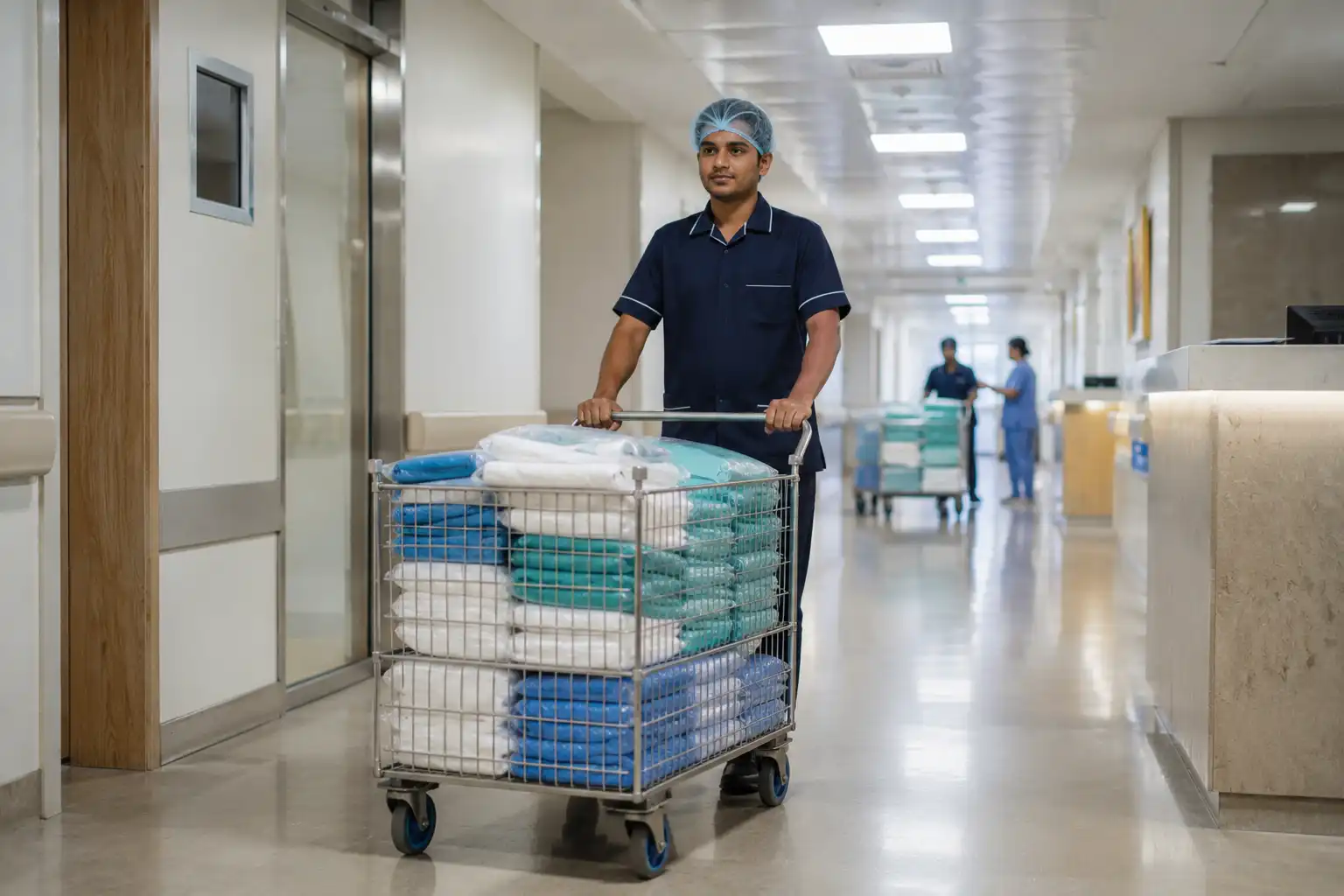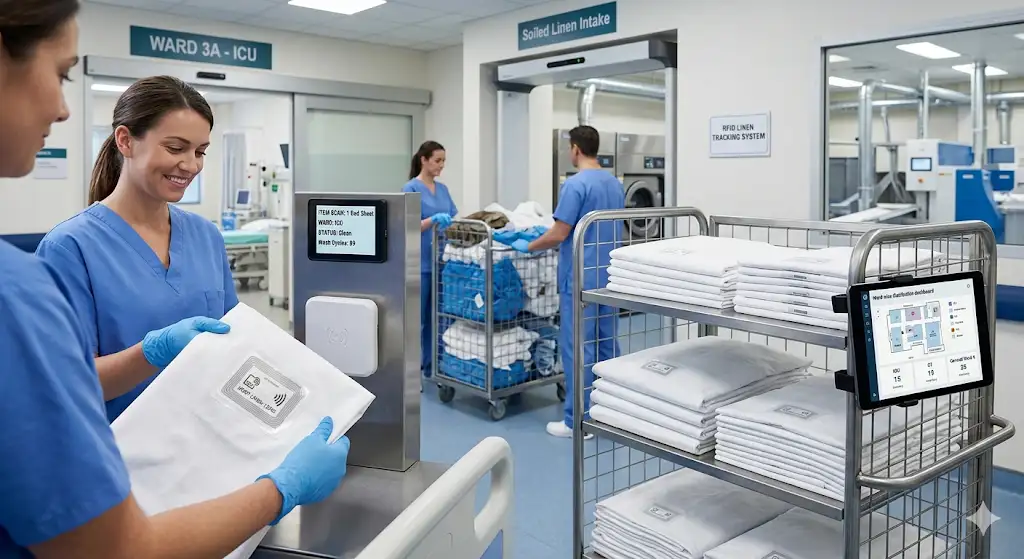
Ward-Wise Linen Distribution Services: Benefits, Process and Best Practices
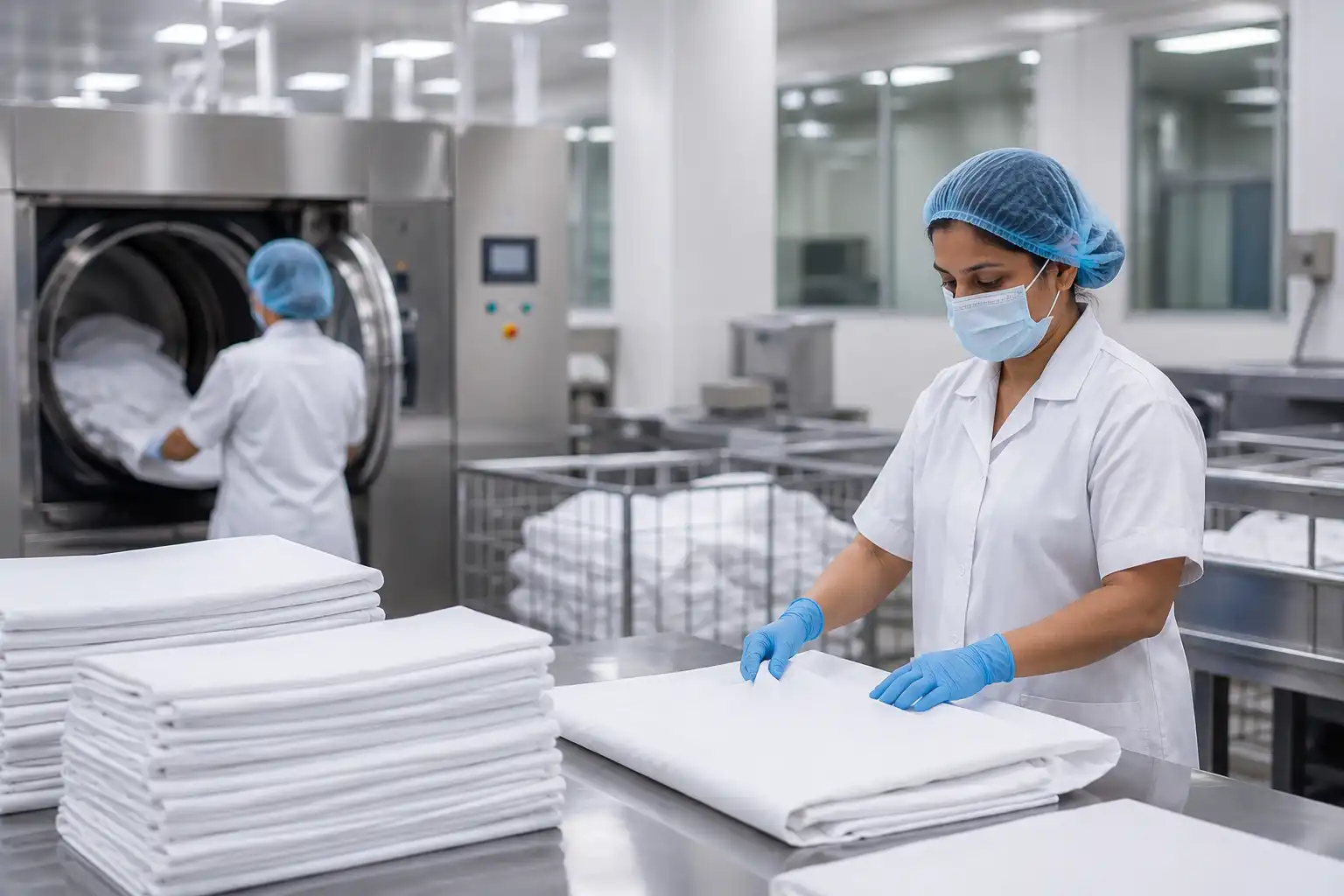
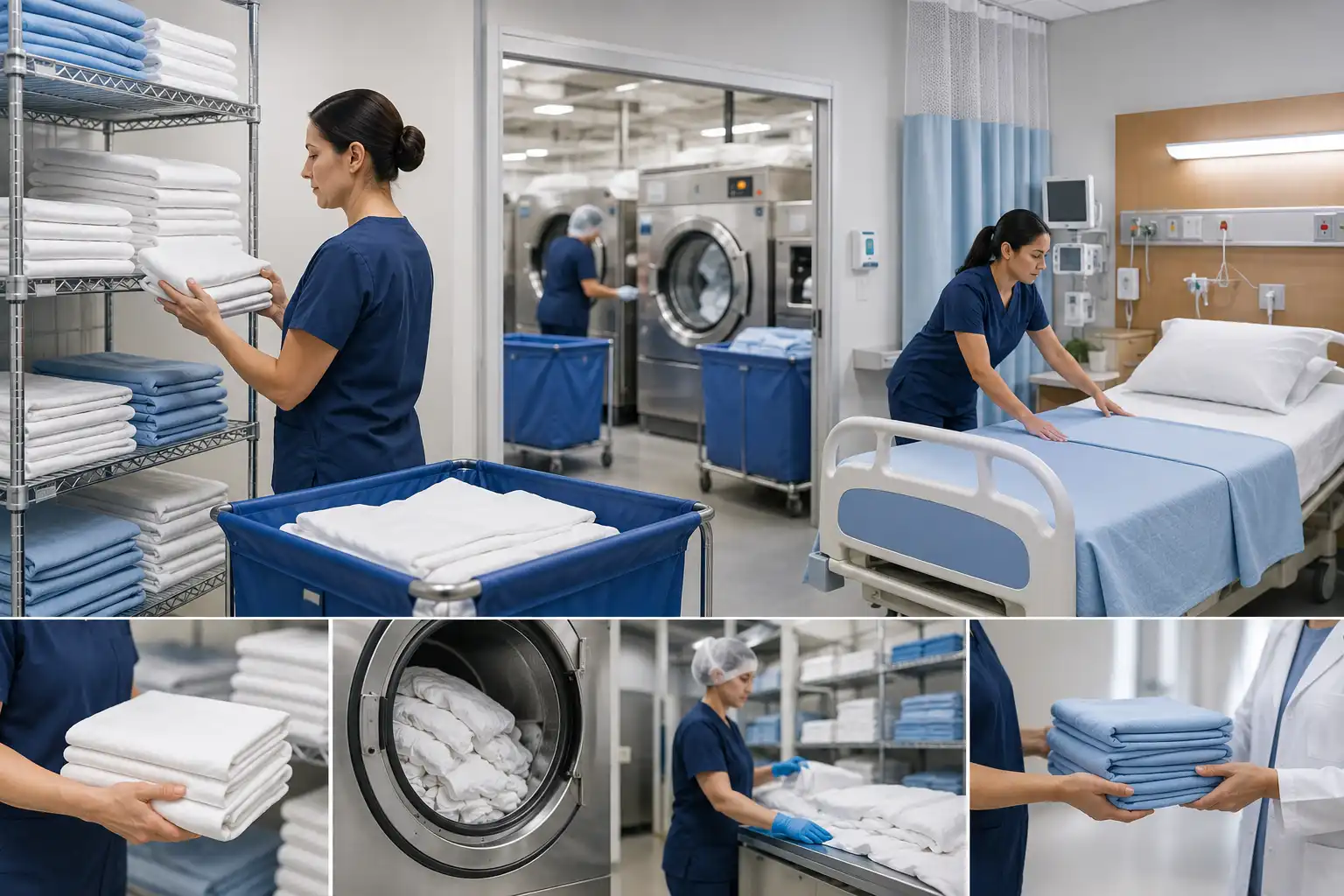
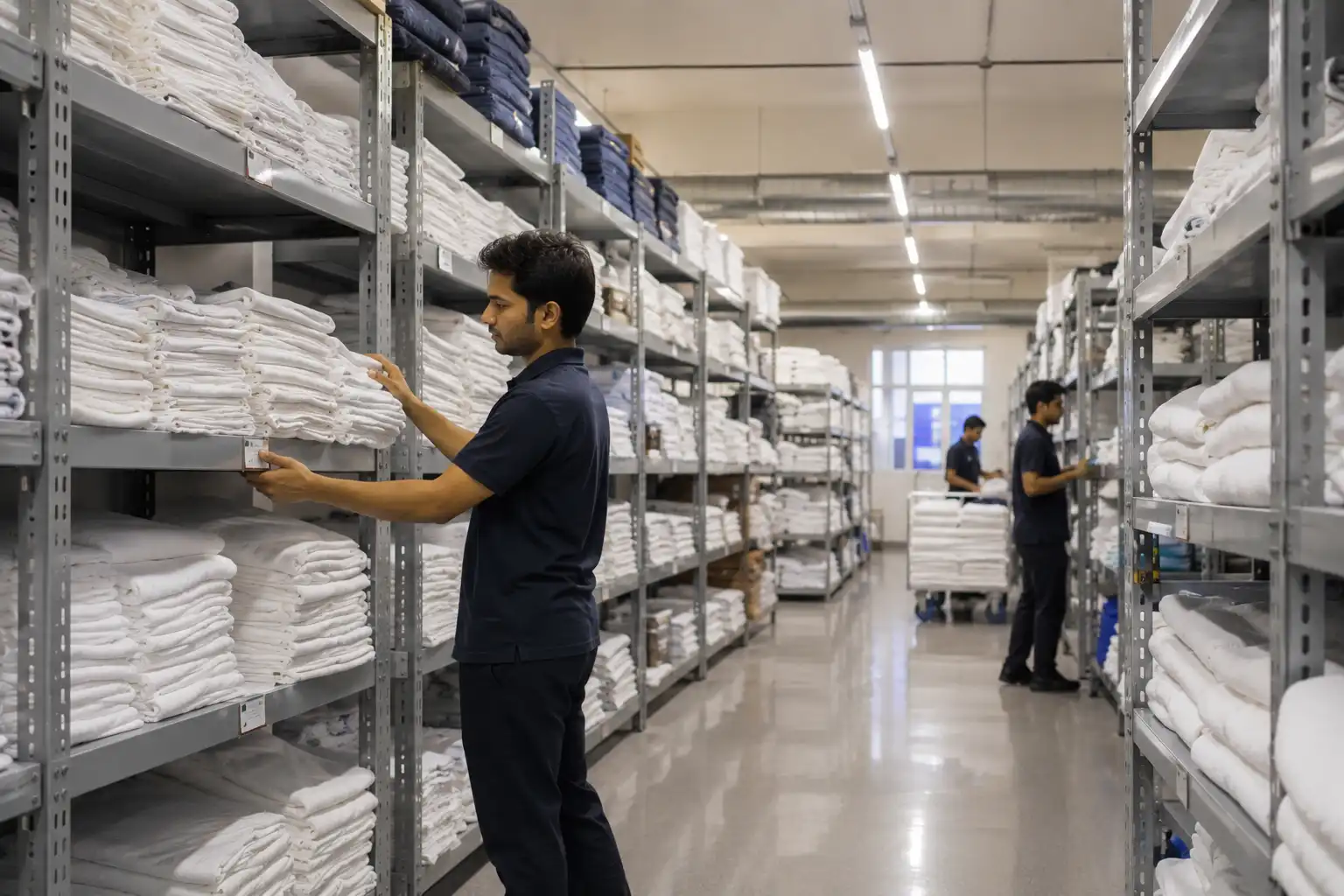
A nurse walking into a supply room and finding exactly what she needs, in the right quantity, ready for use, does not happen by accident.
Discover the latest trends, expert insights, and innovative solutions in professional laundry management.

A nurse walking into a supply room and finding exactly what she needs, in the right quantity, ready for use, does not happen by accident.

Linen is one of the most heavily consumed resources in any hospital. Bed sheets, patient gowns, blankets, towels, surgical drapes, and staff uniforms cycle through a healthcare facility in enormous volumes every single day.

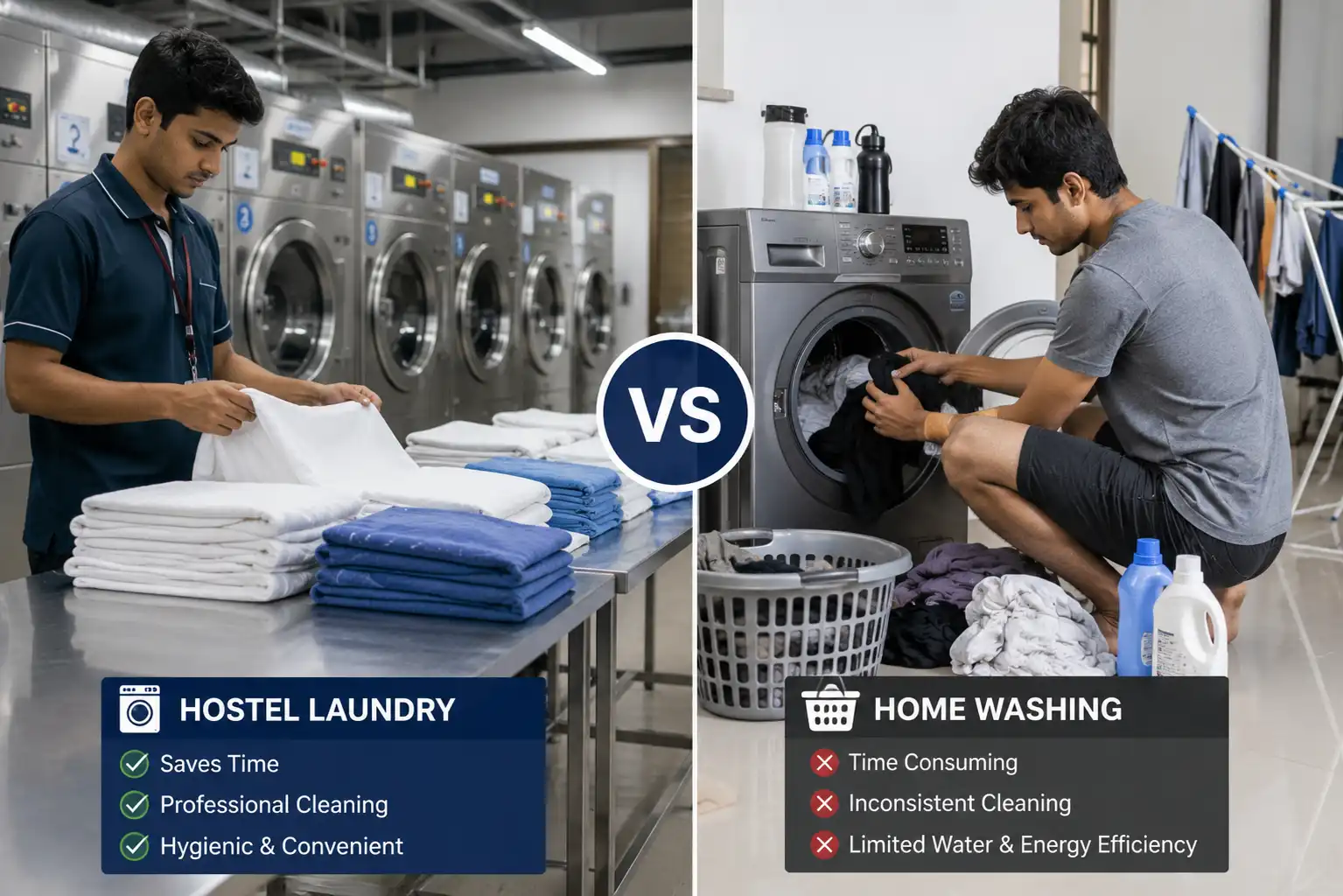
Student life is a constant balancing act. Between lectures, assignments, extracurricular activities, and maintaining some semblance of a social life, there is very little room left for time-consuming chores.

Walk through any well-run hospital and the clinical environment feels controlled and clean. Beds are made. Gowns are fresh. Surgical drapes are crisp and ready.

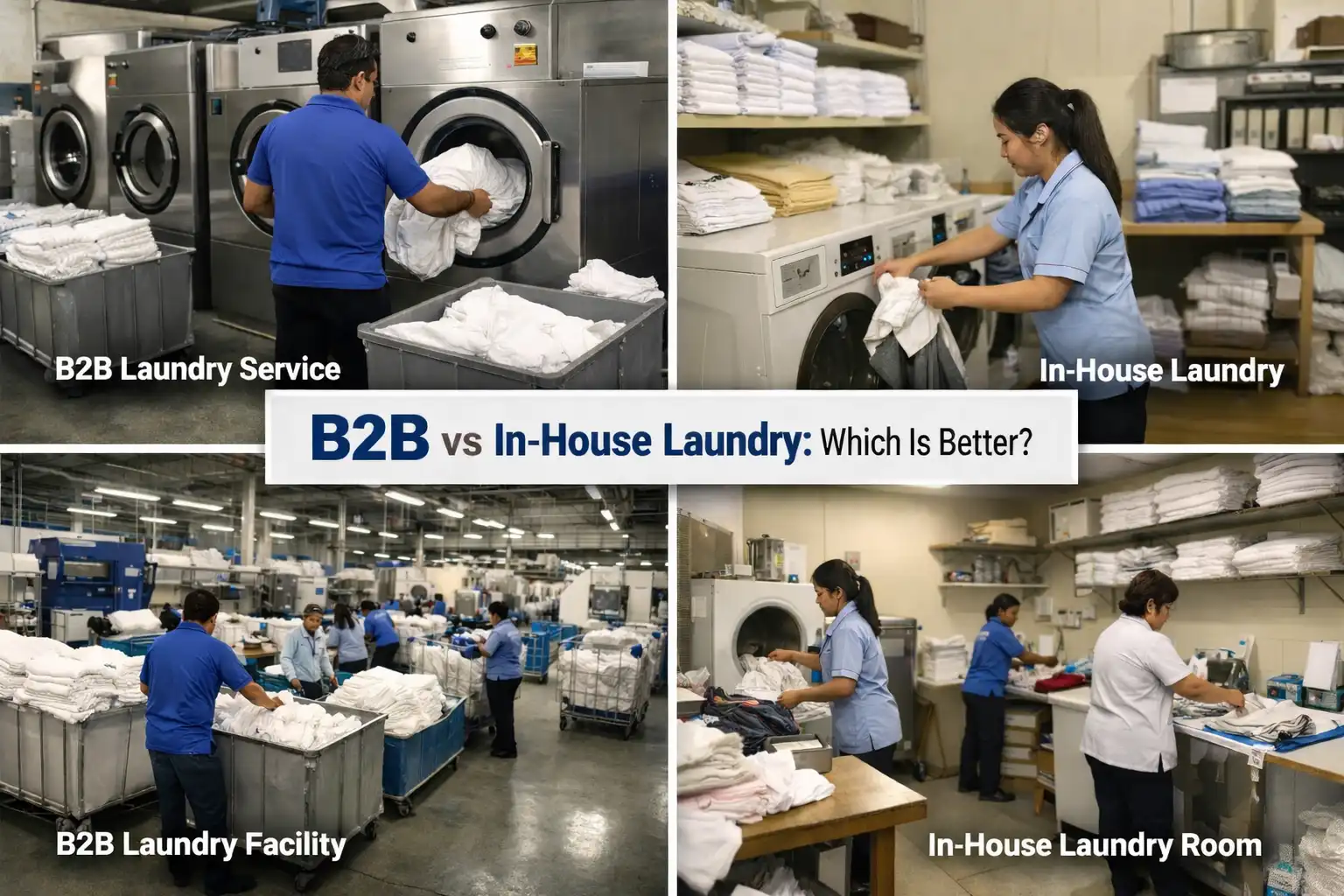
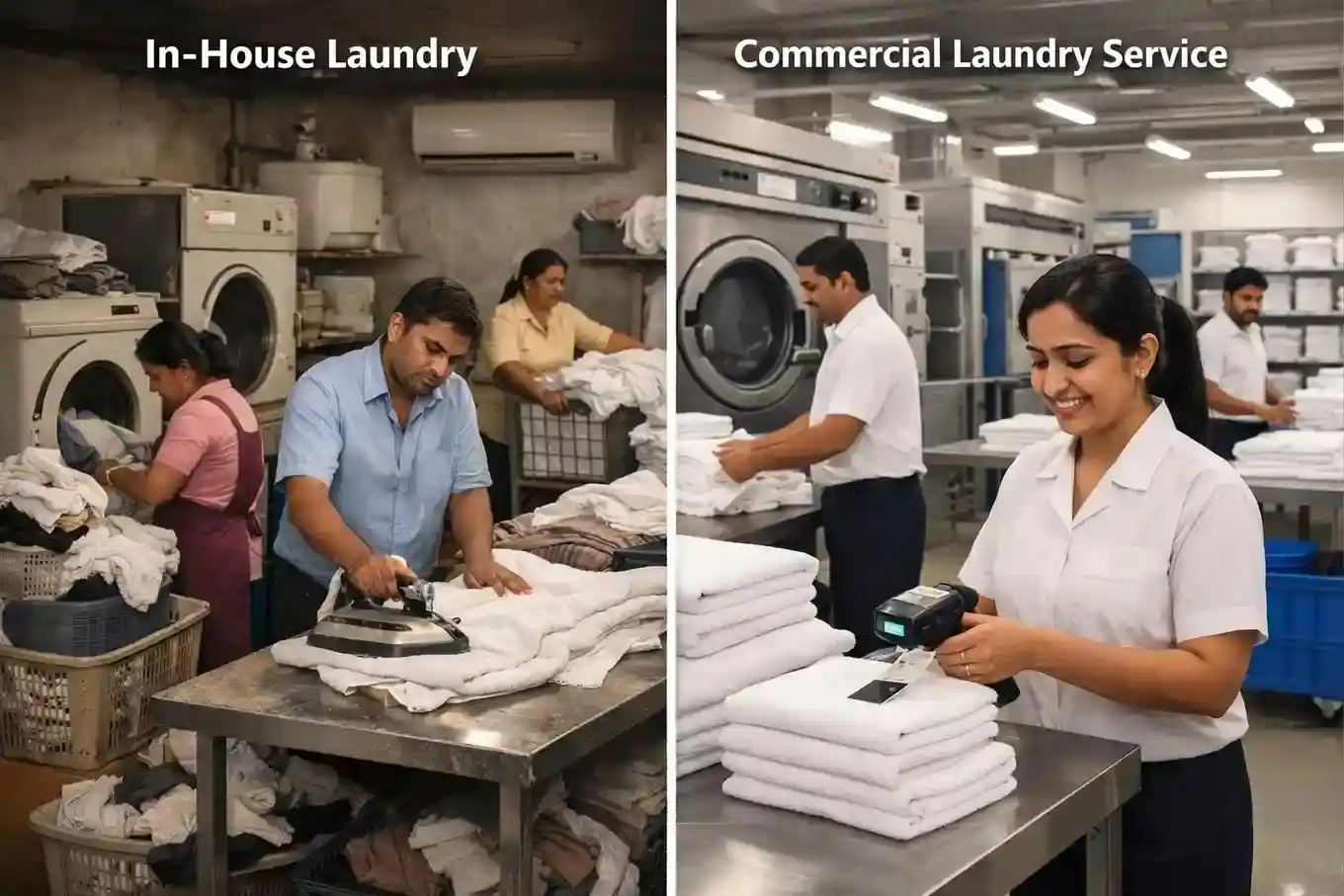
Any organisation that processes linen at volume faces the same foundational decision at some point: manage laundry operations in-house or partner with a B2B laundry services provider.

Ask any hospital administrator about their biggest operational headaches and hospital linen management will appear on the list more often than most people expect. Missing inventory, wards running short at the wrong moment, and linen staying in circulation past its useful life.

Moving into a hostel is one of those life transitions that comes with a long list of adjustments. New schedules, shared spaces, unfamiliar food, and for many students, the first real experience of managing their own daily chores.

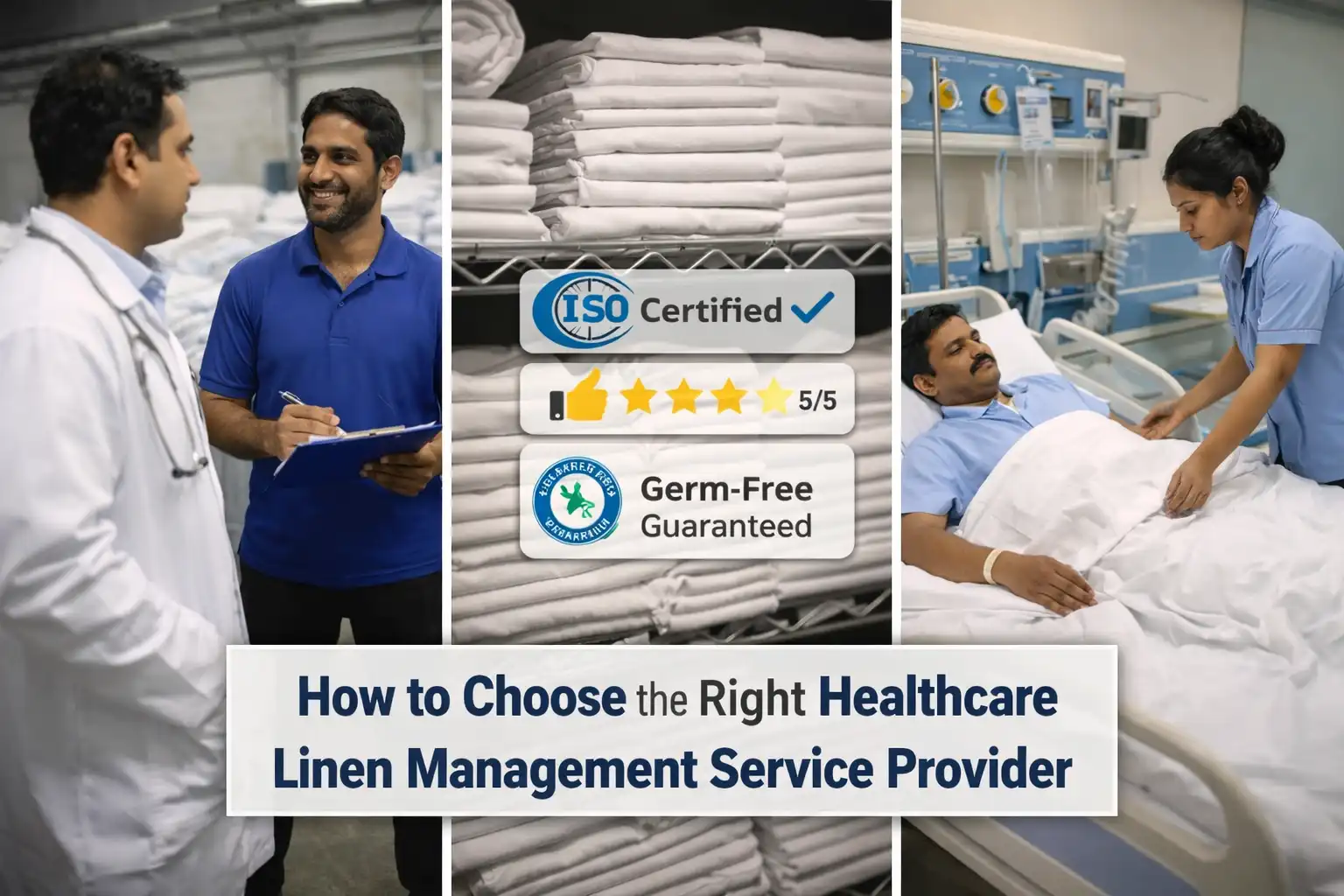
Choosing a healthcare linen management services provider is not the same as choosing any other outsourced vendor. The stakes are different. In a hospital, linen touches patients directly, moves through clinical environments continuously.

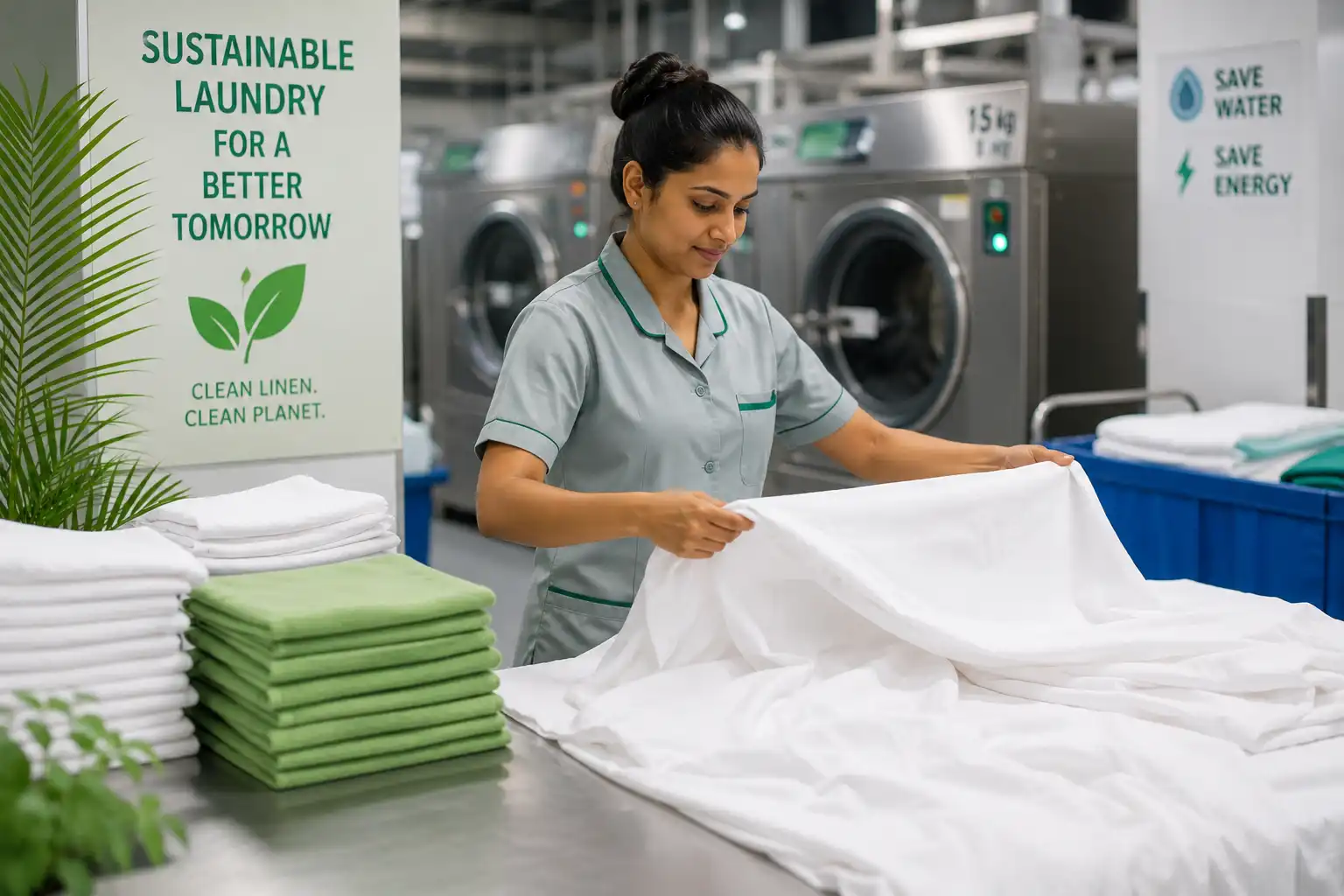
Large-scale laundry is resource-intensive. Water, energy, chemicals, and transport all feed into the process of keeping linen clean, and at the volumes that institutions generate every day, the environmental cost of that process adds up quickly.

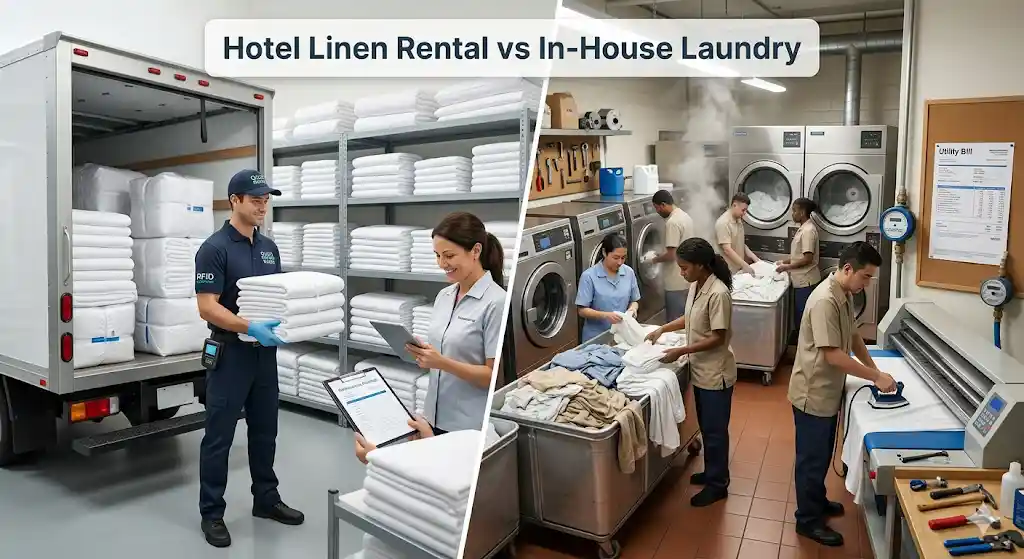
Every hotel, at some point, has to make a decision about how it handles linen. It is not a glamorous operational question, but it is a consequential one.

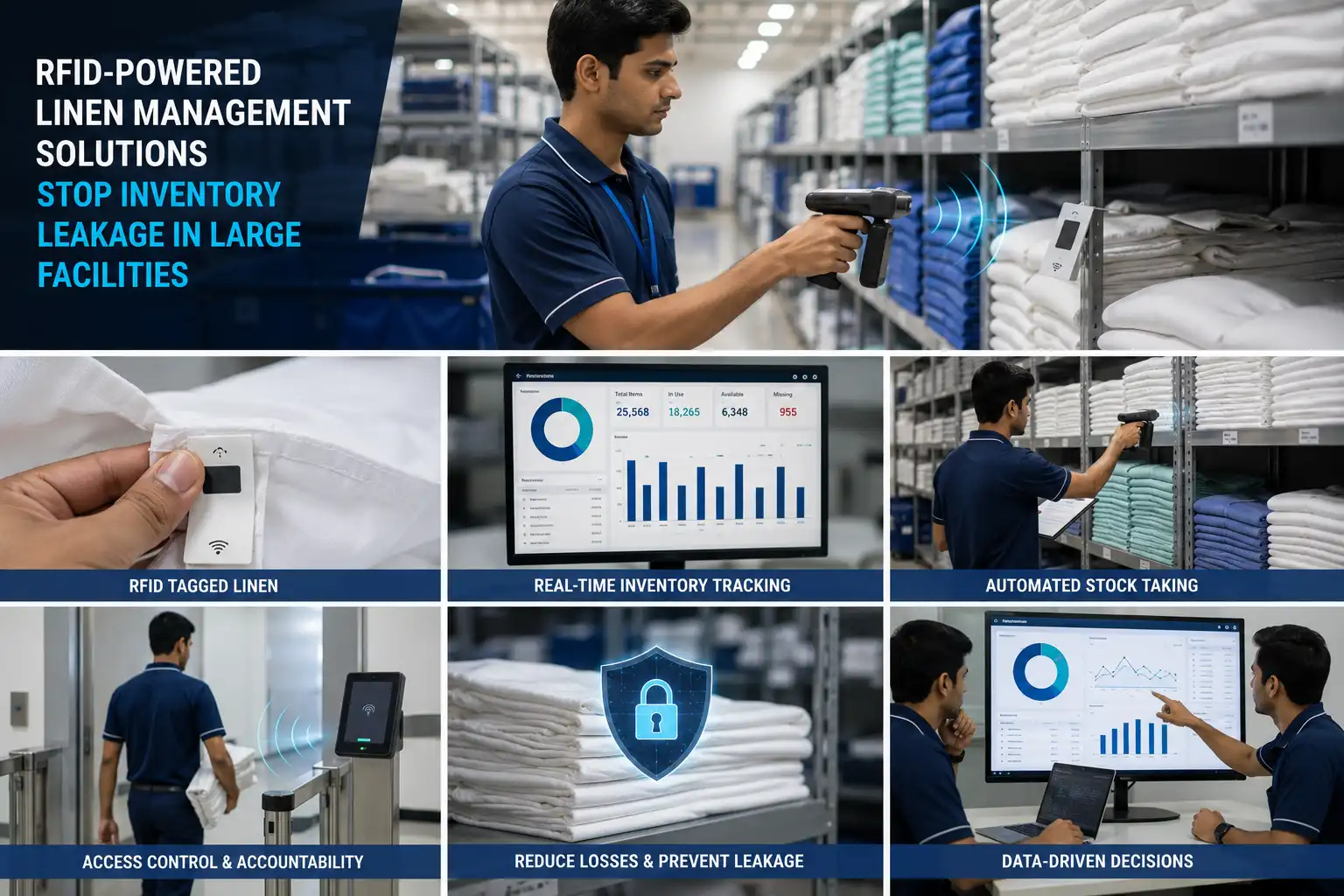
Every large facility that manages linen at scale, whether a hospital processing hundreds of kilograms of patient linen daily or a hotel turning over rooms across multiple floors, deals with the same quiet, persistent problem: linen disappears.

Think about the last time you checked into a hotel room and everything just felt right. The bed was made perfectly, the towels were thick and fresh, and nothing about the linen gave you pause. You probably did not think about it consciously at all. That is exactly the point.

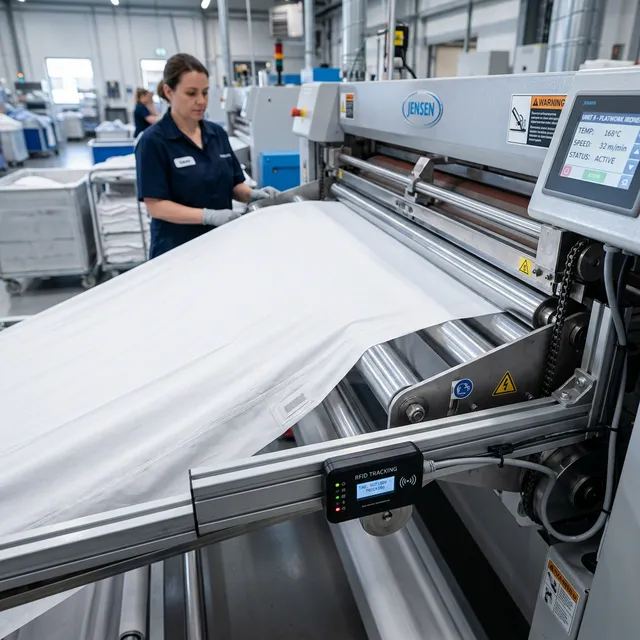
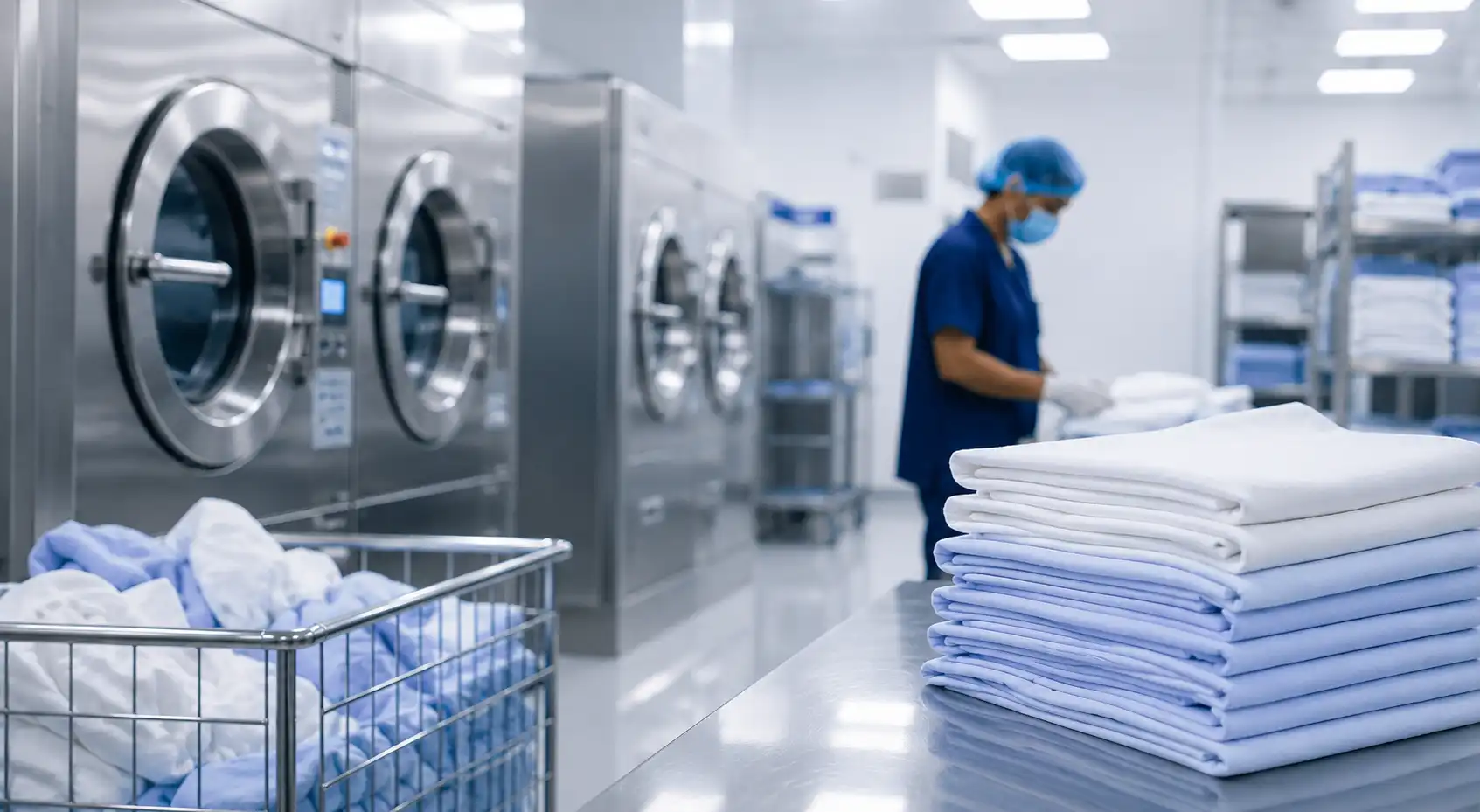
Linen management in a hospital operates on a different level entirely. The volumes are large, the hygiene requirements are non-negotiable, and the consequences of getting it wrong extend well beyond operational inconvenience.

Sustainability has moved well beyond being a buzzword on a company website. Across industries, organisations are being held to a higher standard by clients, regulators, and the communities they operate in.

Walk into any well-run hotel and one thing is immediately obvious: the linens are immaculate. Crisp white sheets, fluffy towels that actually smell clean, pillowcases without a single crease.

When we talk about what makes a hospital function well, the conversation usually goes straight to clinical outcomes, technology, and staffing. Linen rarely comes up. Yet walk through any hospital ward and linen is everywhere.

For any business that depends on linen, whether that is a hotel, a hospital, a restaurant, or a spa, there comes a point where someone asks the question: should we own our linen or rent it?

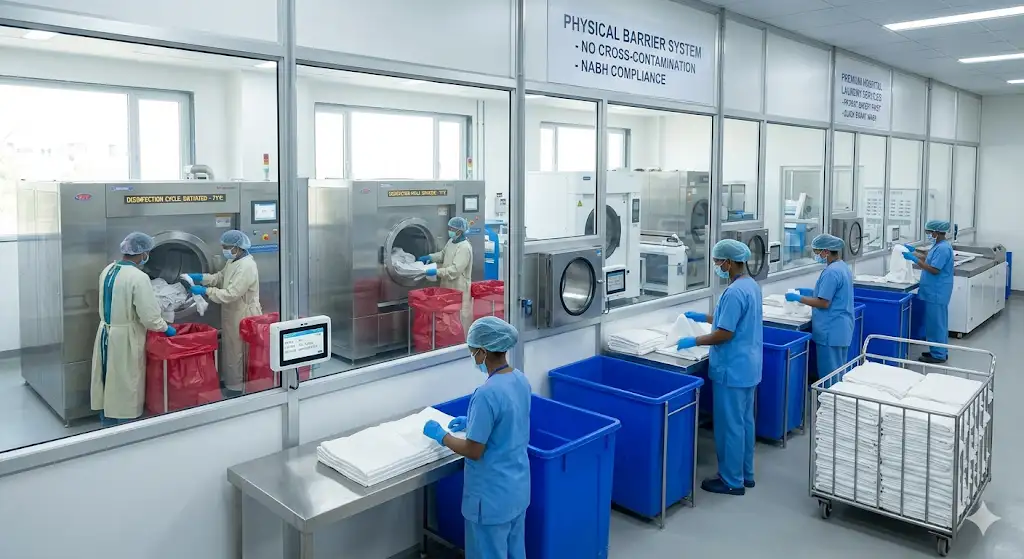
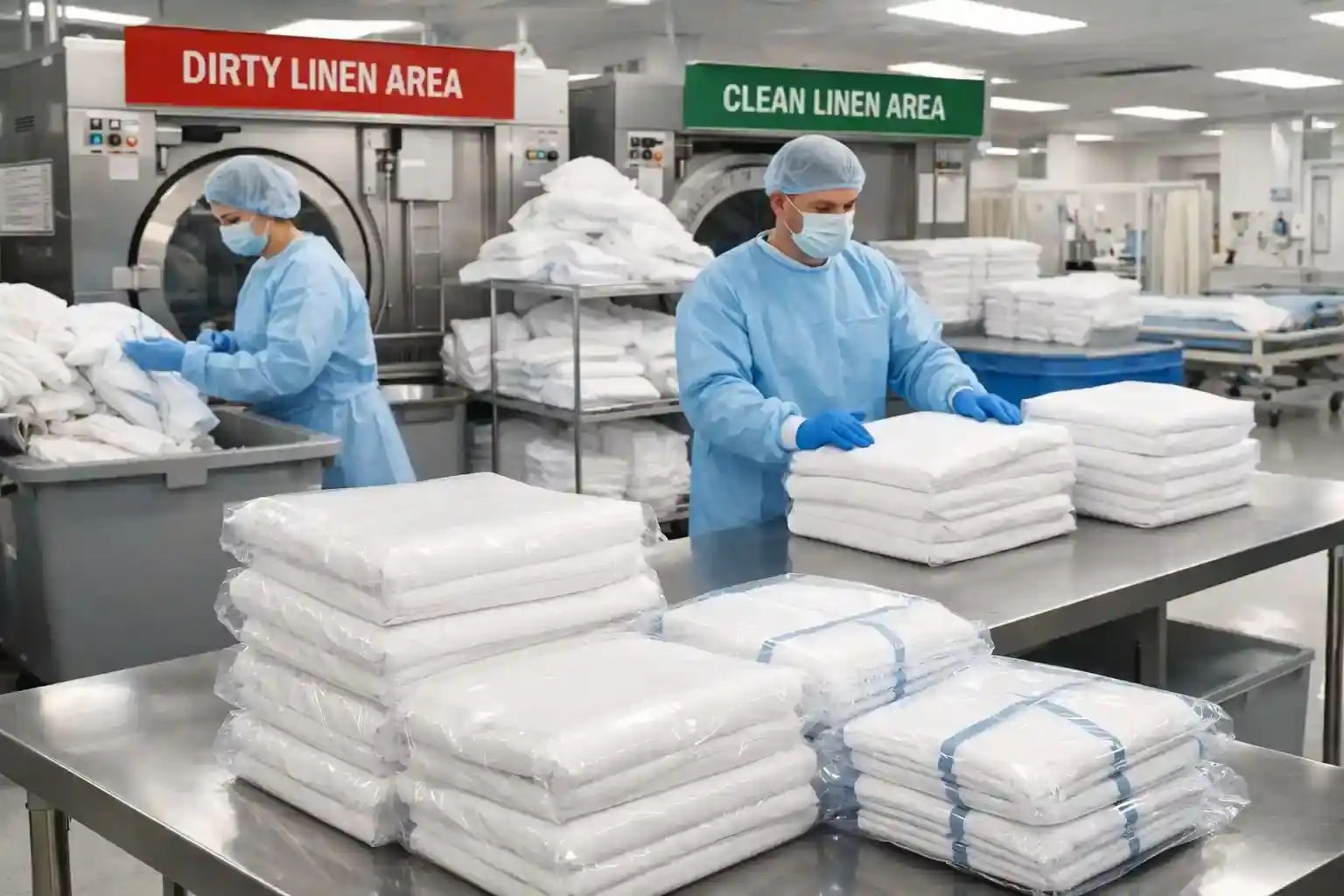
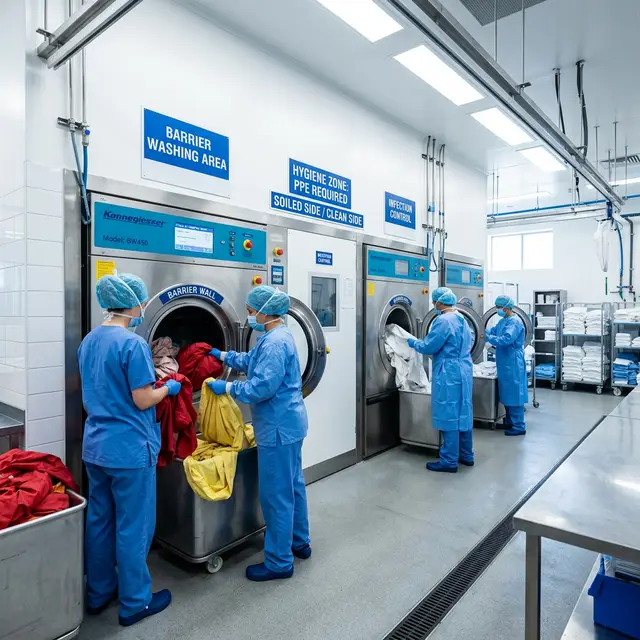
In hospitals, hygiene is not a background consideration. It is built into every decision, every protocol, and every surface that comes into contact with patients. Linen is no exception.

Running a residential campus involves a lot of moving parts. Accommodation standards, student welfare, facility maintenance, and administrative efficiency all compete for management attention and budget.

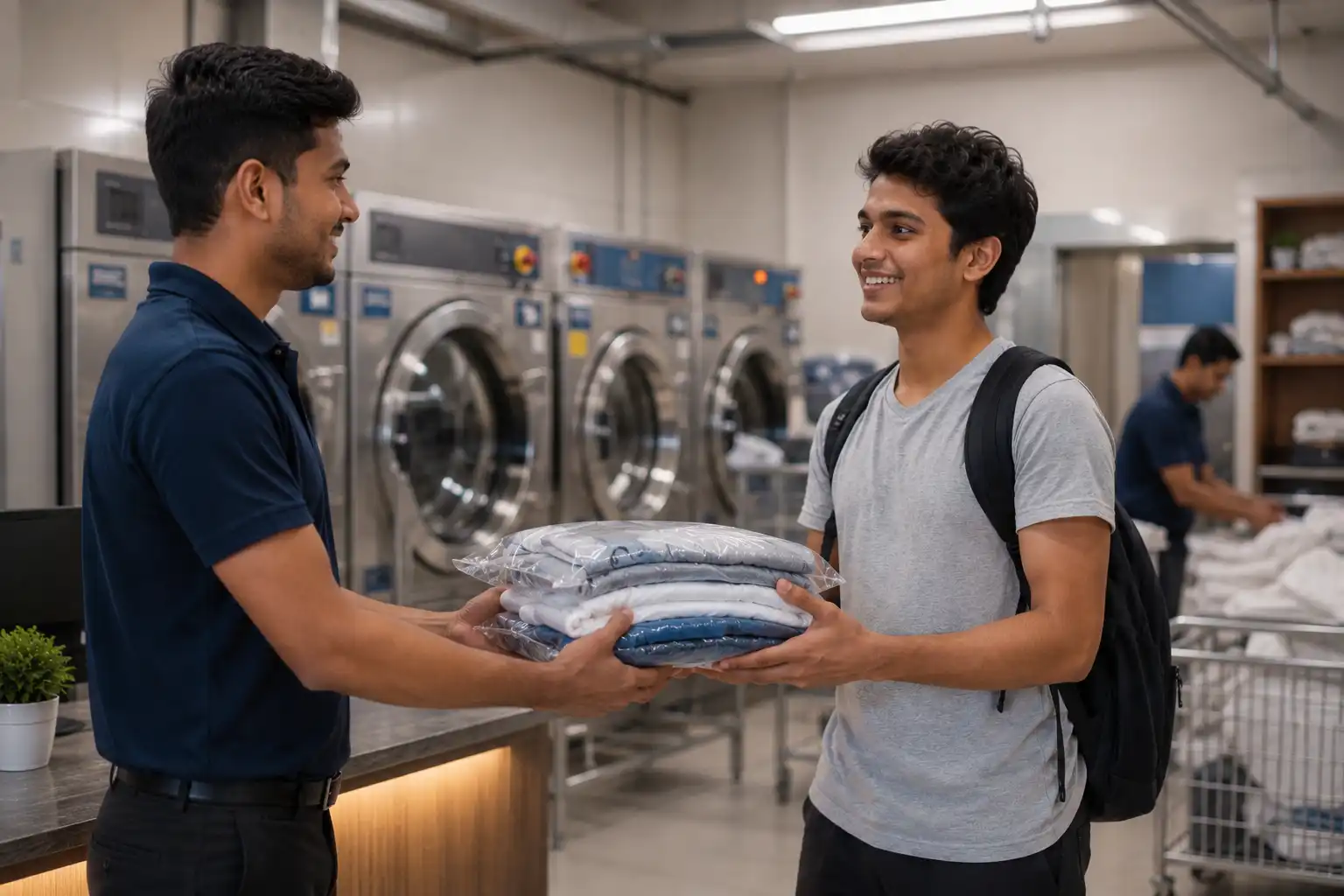
Hostel life is often a student's first real experience of independence. Between keeping up with classes, settling into a new environment, and navigating a packed social calendar, daily chores are the last thing anyone wants to think about.
Expert Articles
Monthly Readers
Industry Updates